The world has watched Donald Trump return to power with a platform that promises strength and revival. But behind the slogans lies a pattern of leadership that has nothing to do with collective progress. His business history is marked by repeated collapse. His political narrative is built on exclusion, dominance and short-term applause. And yet, he leads.
This is not about a single man. It is about the systems that reward visibility over competence. The structures that elevate charisma over clarity. And the global cost of electing leaders who understand influence as control rather than responsibility.
The failure is structural, not accidental
Trump’s rhetoric is familiar. Restore greatness. Build walls. Punish outsiders. His success lies not in policy, but in performance. He stages conflict, not resolution. He sells fear as strength. And in doing so, he mirrors a deeper problem across nations.
Power is increasingly decoupled from qualification. Electoral success is no longer tied to proven outcomes but to emotional response. In this environment, facts become negotiable and leadership becomes theater.
Trump’s tactics are not anomalies. They are part of a broader pattern where populist leaders manipulate insecurity to expand authority. Where institutions bend to ego. Where economic desperation is channeled into nationalism, not reform.
Leadership has become a personal brand
In modern politics, the role of a head of state is no longer strategic. It is aesthetic. It is less about governance and more about being seen as strong. When policies fail, attention is diverted. When criticism rises, enemies are invented.
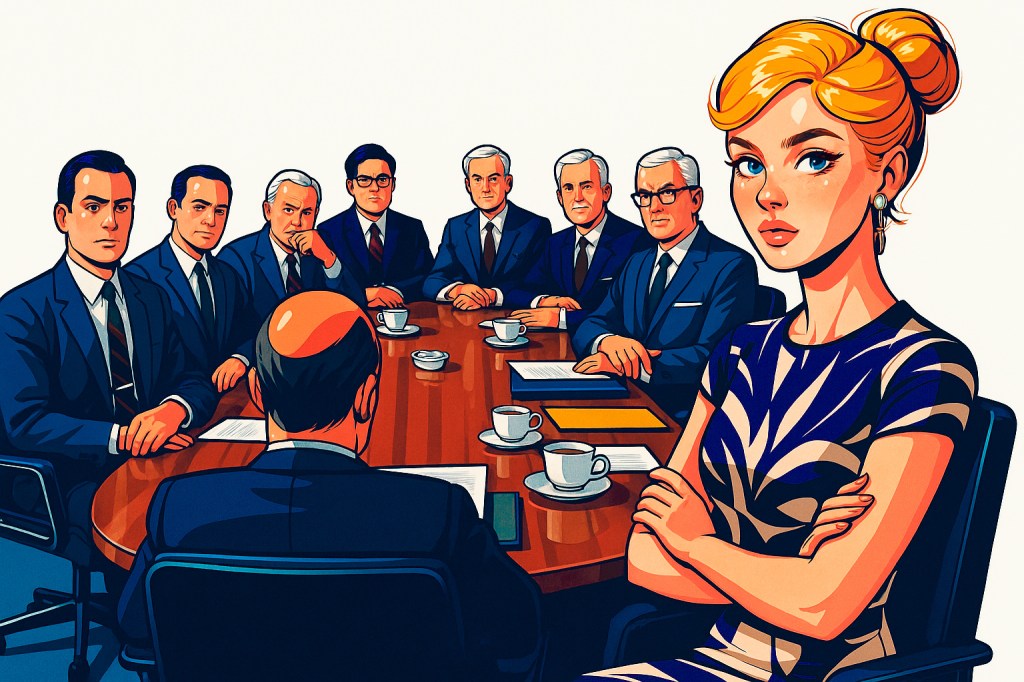
This is not unique to the United States. Across the globe, male-dominated leadership models continue to prioritize dominance over diplomacy. Military buildup over cooperation. Profit over sustainability. It is a system where power is hoarded, not distributed.
The consequence is always the same. The rich get richer. The poor get angrier. And the system claims surprise at every uprising it has engineered.
Redefining power, not recycling it
The problem is not that Trump fails to lead. It is that he was never expected to. His rise reflects what many political systems still consider acceptable: performative strength, zero accountability, and the normalization of economic self-interest at the cost of collective good.
Leadership must be redefined as responsibility, not control. As long-term stewardship, not reactive positioning. As global interdependence, not national isolation.
The question is no longer what Trump does next. The question is why systems still allow him to.


 corp diary